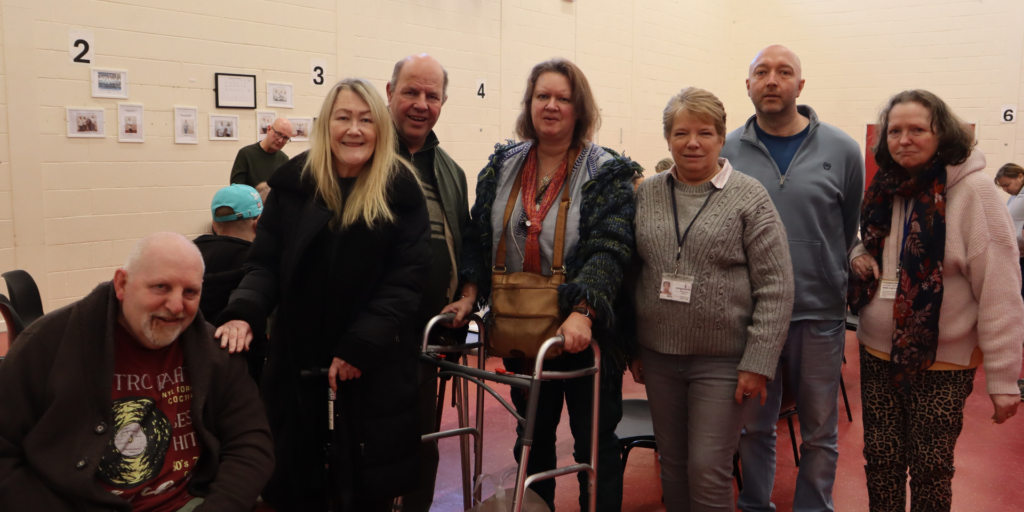

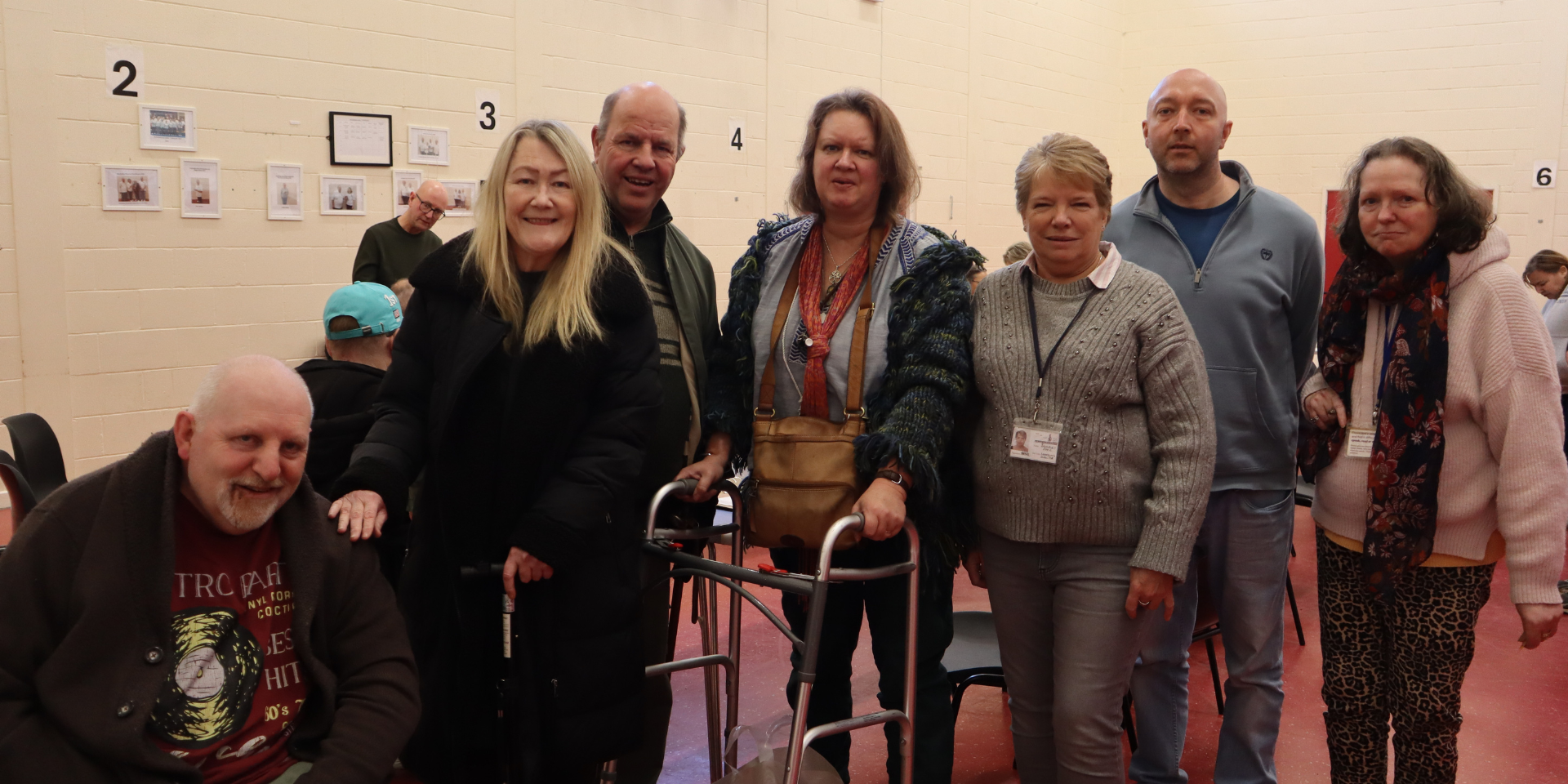
The weekly Back on Track – Stroke Rehab Service group meeting for young stroke survivors is filled with laughter long before the kettle has finished boiling. Tea and coffee flow freely, conversation overlaps, and there’s an ease in the room that comes from people feeling safe, understood and at home.
Back on Track is a small, grassroots Wiltshire based charity founded and run by Senior Occupational Therapist, Bev Pace. It supports working age stroke survivors in a way that goes far beyond formal rehabilitation, offering a real sense of belonging. The group meets weekly, but its impact reaches far beyond those sessions. Friendships formed here quickly spill into everyday life. Members attend stroke recovery gym sessions together, support one another through setbacks, and build confidence to re-enter parts of life that once felt out of reach. Back on Track is the only group of its kind locally for young stroke survivors.
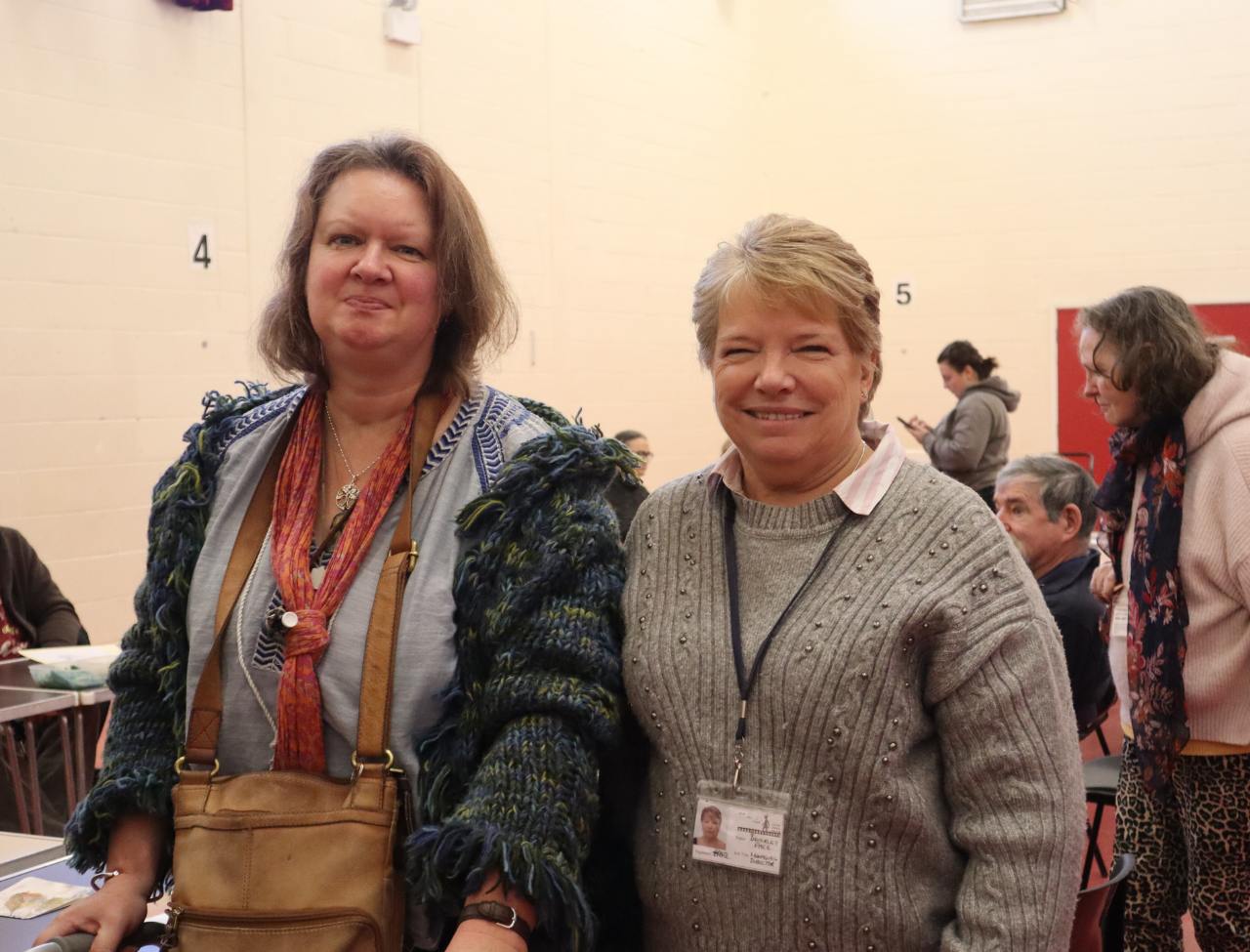
At the heart of everything is Bev, who is repeatedly described by group members as “amazing.” Through home visits and group sessions, she helps people to improve movement, speech, confidence, and independence, while also offering emotional support and understanding.
“She makes everyone feel like family.”
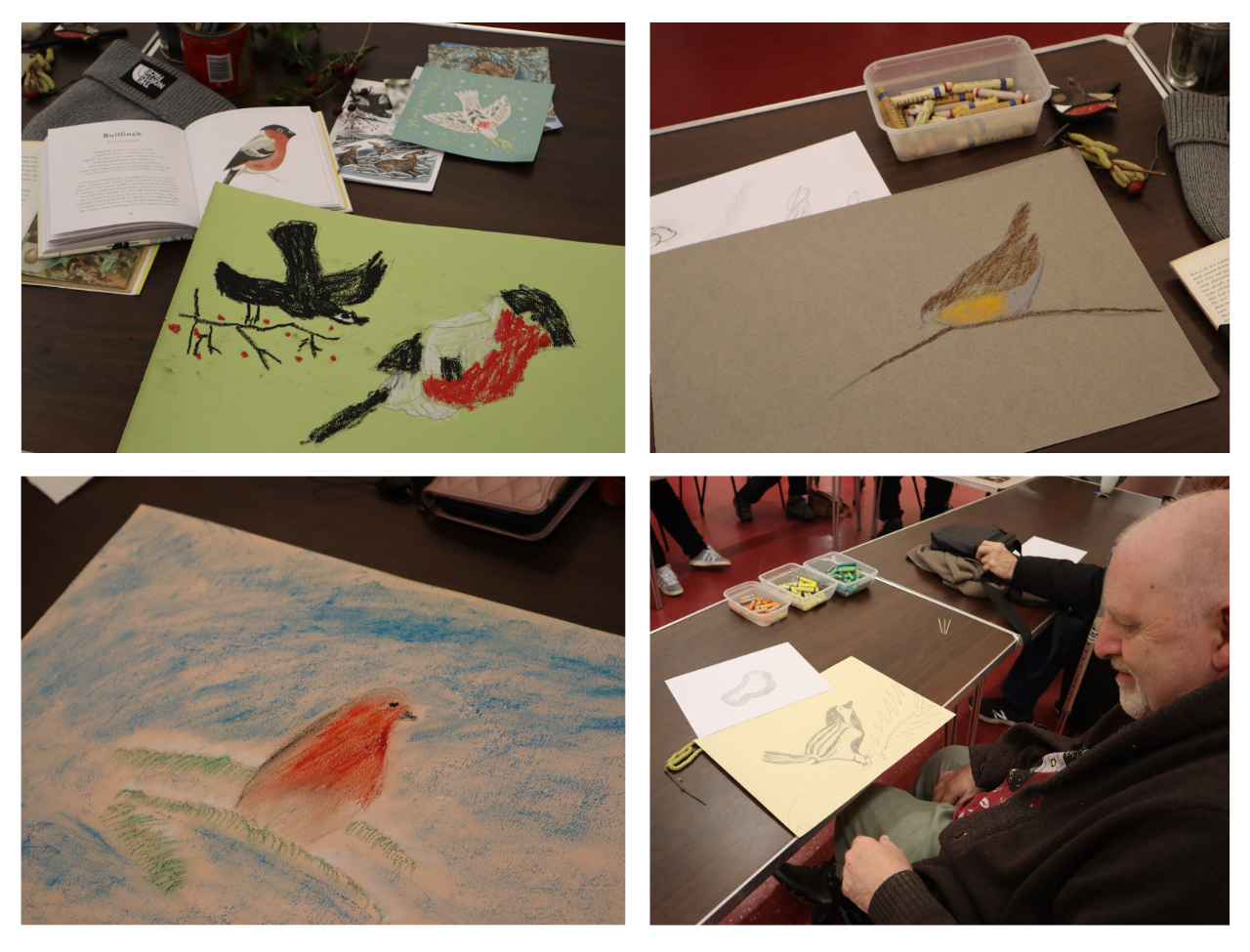
During my visit, an art facilitator led a relaxed creative session. Pencils and pastels were put to paper as people drew natural objects, including cheerful robins, chatting as they worked. The room was full of warmth, humour, and laughter. The art mattered, but what mattered more was just being together.
“You Make Me Feel Sane”
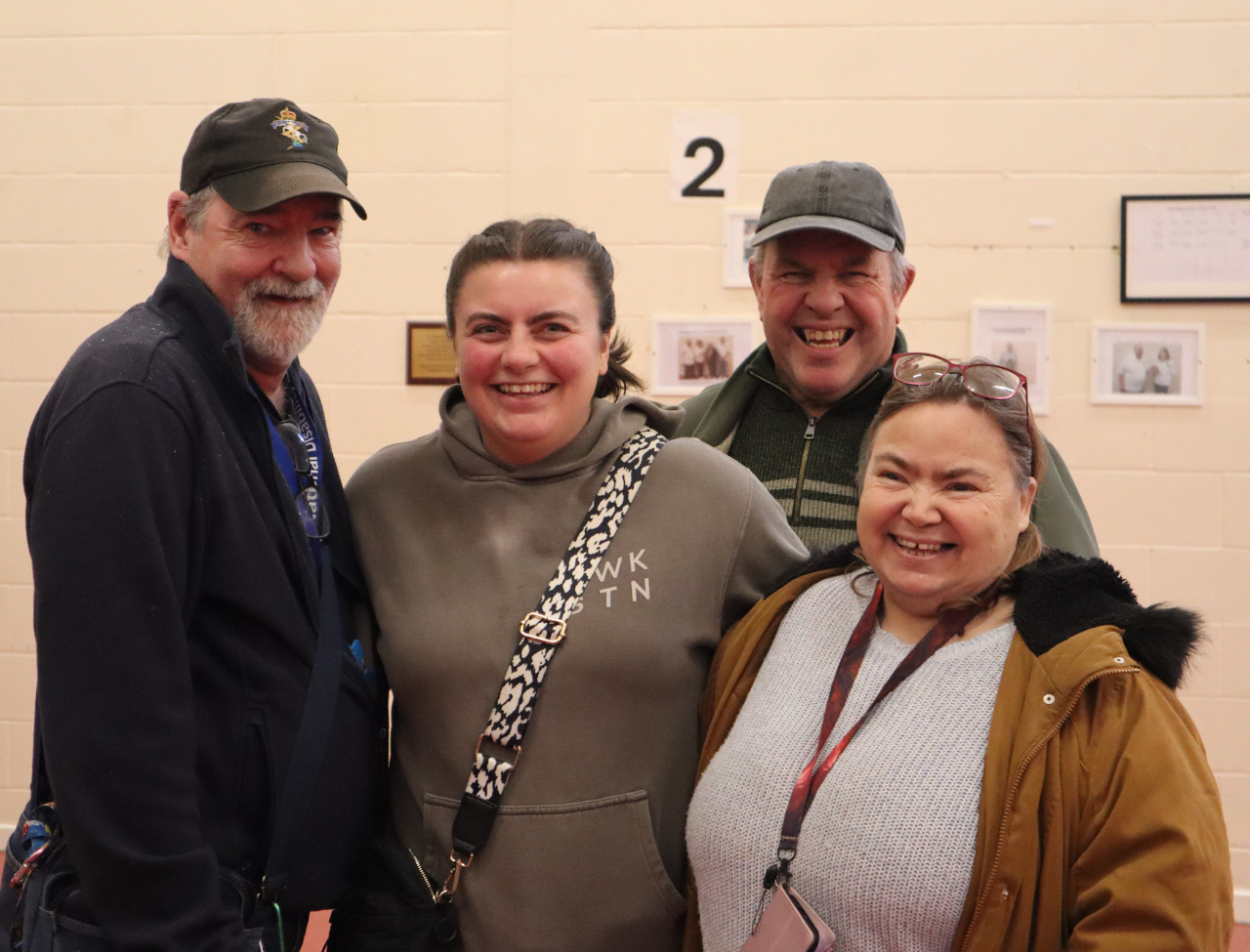
The power of Back on Track comes through most clearly in the friendships people form here. Ash, aged 28, was just 26 and working as a nursery nurse when she had her stroke. She is the youngest in the group and spoke about what it means to be among people who truly understand.
“Out of this group, I’ve got friendships that I never thought I’d have. Camaraderie. People who understand where I’m coming from. You can vent, but they also give you really good answers.”
She explained how different that can feel from talking to friends and family who haven’t experienced stroke themselves.
“They try to give you the best answers they can, but you know it’s not the whole truth, it doesn’t quite relate to you.”
Humour plays an important role in helping people process what has happened to them.
“You have to take it seriously – like, holy sh*t, I’ve had a stroke,” Ash laughed, “But here, it’s often the best laugh I always have all week.”
She explained that early on in her recovery, she often found it easier to swear, or to say words with force and strong intent, than to speak calmly in conversation. Singing also came more easily than talking, another unexpected route back to language.
“Swearing was easier. It had force behind it. Singing helped too. Talking properly just didn’t come at first.”
Within the group, this is understood instinctively and without judgement or embarrassment.
“Everyone here gets it.”
Talking about her friendship with Bex, another stroke survivor, Ash added:
“When friends and family don’t 100% understand, Bex is my voice of reason. You make me feel sane. And like I’m not on my own.”
The response from Bex was immediate:
“We’re all friends and family together.”
“Having somebody like that means you can feel… normal,” Ash reflected.
Recovery, resilience and chocolate!
Bex was 42 when she had her stroke and has worked tirelessly to regain her speech and mobility since then. She now walks using a frame and volunteers three times a week in a charity shop, something that once felt unimaginable.
“I couldn’t speak. I couldn’t walk. My right arm didn’t work for ages.”
In hospital, her husband helped turn therapy into something personal and motivating.
“If I won a round of cards, he’d put my favourite chocolate on the left-hand side so I had to reach for it with my right hand.”
Through repetition and persistence, things slowly began to return.
“By doing those repeated things, it starts to come back.”
Today, she attends stroke specific exercise sessions at the local gym alongside other Back on Track members.
“My left leg will move, but it doesn’t function naturally. You have to really think about it.”
She still regularly attends Back on Track week after week.
“It’s just like coming home,” she said of the group. “Having Back on Track is massively important.”
Finding ways to be heard
Jim is one of those people whose presence fills the room long before words do. He can’t speak much following his stroke and has had to relearn daily life using his left hand instead of his right. But he’s got a twinkle in his eye and a great sense of humour that comes through immediately.
Jim carries a notebook filled with drawings and the occasional written word, which he uses to help communicate. Photos become stories too. During the session, he proudly shared pictures from a special trip with his adult son to see Arsenal play, a day that clearly meant the world to him. On that trip, Jim met the Arsenal team members one by one, had photos taken with each of them, and came home with a shirt signed by the players. He shared the images with quiet pride, his smile doing much of the talking.
Before his stroke, Jim served in the Royal Navy and worked as an engineer at BMW. He remains a passionate sports fan, equally devoted to Bath Rugby and Arsenal Football Club, and those loyalties are worn with pride. He can only say a few words, but he’s fully engaged and there’s such warmth and fun in how he communicates. His humour lands through a look or a single well-chosen word.
In Back on Track, people understand that communication takes many forms. Jim’s experience shows that you don’t need fluent speech to connect, and that your spark doesn’t disappear after stroke.
A community built on mutual support
Members often rely on one another for lifts, encouragement, and practical support. Those who regain their driving licences frequently become volunteer drivers, picking others up for sessions.
“We rely on other stroke survivors getting their licences back to bring people,” Bev explained, “It becomes this cycle of support.”
The group asks for a £5 weekly subscription, with everything else funded through charitable support including specialist facilitation, materials, volunteer mileage, and Bev’s outreach work visiting newly referred stroke survivors at home. Referrals come via neuro occupational therapists, speech and language therapists, social prescribers, word of mouth, and increasingly through people finding Back on Track themselves.
“There’s nothing else in Wiltshire specifically for young stroke survivors,” Bev said, “People often feel lost before they find us.”
Seeing the impact first-hand
I visited Back on Track as Chippenham Borough Lands Charity has provided grant funding of £30,000 over three years, with the first £10,000 already received and the second about to be released. The funding supports weekly sessions, home visits, creative activities, volunteer transport, and the specialist work that keeps this community thriving.
Seeing the impact first-hand made it clear how transformative this support is, not just in terms of physical recovery, but in rebuilding identity, confidence, and connection.
Back on Track is changing lives quietly and consistently, with extraordinary heart. It was a real privilege to visit on behalf of Chippenham Borough Lands Charity and see this work in action.
Katie Bradbury, Communications Manager
To get help and advice from Back On Track – Stroke Rehab Contact: –
Beverley Pace Dip C.O.T
Tel: 01249 448517
Mob: 07800 793957
Email: bevpace@hotmail.co.uk
You can also follow Back on Track Stroke Rehab Service on Facebook
If you would like to make a donation to support this service, please visit: justgving.com/charity/backontracksrs
You can also register Back On Track – Stroke Rehab Service as the charity of your choice with easyfindraising.org.uk so that every time you shop online with over 3,000 retailers, they will automatically make a donation to the charity. More information – easyfundraising.org.uk/causes/backontrack